

Space Mice Babies Born From Frozen Stem Cells Give Hope for Human Fertility in the Cosmos

Learn about mice babies that were born from stem cells previously frozen on the International Space Station, which could one day lead to human reproduction in space.

Written byJack Knudson
| 3 min read
Google NewsGoogle News Preferred Source
International space station
International Space Station(Image Credit: Alones/Shutterstock)

Newsletter

Sign up for our email newsletter for the latest science news

Sign Up

The miracle of childbirth hasn't happened in space quite yet, but mice babies have proven that it may not be as risky as previously thought.

Aiming to test how space conditions would impact offspring, a new study sent stem cells from mice in space to be frozen for six months before returning to Earth. Now, researchers are reporting good news: So far, the mice offspring born from the cells are as healthy as can be.

The study behind this encouraging development, published in Stem Cell Reports, is a major step forward in understanding whether human offspring can prosper in space. While the mice babies with out-of-this-world origins will still need to be monitored for long-term health effects, there’s nothing off about their DNA for now.

The Risks of Birth in Space

A growing interest in long-term space missions and space tourism has raised many questions on the issue of fertility in space. Being in space for long periods of time is known to impact the human body as a result of exposure to microgravity, radiation, changes in circadian rhythm, and the stress of space travel. These factors are all believed to affect the male and female reproductive systems, although research on this specific subject is limited.

Scientists have largely directed their attention to research on how spaceflight alters germ cells, which develop into egg and sperm cells. Germ cells are crucial to consider because any damage done to them is likely to be passed on to offspring.

According to a press statement on the new study, abnormalities in embryonic stem cells that have experienced spaceflight have been observed before, although the exact cause of the damage has remained unknown.


Read More: The International Space Station May be Too Clean - But These Microbes Could Help


The Birth of Healthy Space Mice

The researchers involved with the study set out to learn how spaceflight could potentially damage spermatogonial stem cells and how the offspring from these cells would fare. They chose to test cells from mice, which have a much shorter reproductive life span than humans.

Experts initially cryopreserved the stem cells before sending them to the International Space Station, where they were stored in a deep freezer for six months. After this, they were returned to Earth, and according to the researchers, the cells appeared to possess no abnormalities. After thawing and in vitro expansion, they were then transplanted into mouse testes.

Offspring from the cells were born within three to four months through natural mating. The researchers found that the newborn mice were healthy and exhibited normal gene expression, which indicated to them that cryopreserved germ cells maintain fertility for at least six months.

"It is important to examine how long we can store germ cells in the ISS to better understand the limits of storage for future human spaceflight," said first author Mito Kanatsu-Shinohara, a professor of molecular genetics at Kyoto University, in the press release.

Following New Generations of Space Mice

Since stem cells from many species can be cryopreserved and still produce sperm, preservation of germ cells will be a critical goal to consider for long-term space missions.

The researchers initially thought that radiation encountered during spaceflight would have caused more harm to the spermatogonial cells than cryopreservation, which can sometimes lead to cell death induced by cryoinjury.

The results showed that this was not the case; the concentration of hydrogen peroxide used in cryopreservation killed off some of the cells, but there were minimal differences in the surviving cells before and after spaceflight.

Even though the mice offspring haven’t shown signs of abnormal DNA patterns, the researchers will have to watch out for any long-term health complications as they continue to grow. They plan to observe the mice throughout their whole lifespan and examine the ongoing health of future generations descended from these mice.

"We still have some spermatogonial stem cells frozen on the ISS, so we will continue to conduct further analysis," said Kanatsu-Shinohara.


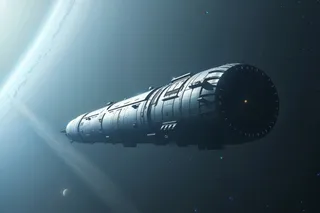
Read More: At 36 Miles Long, This Conceptual Spaceship Could Carry 2,400 People Into Interstellar Space


Article Sources

Our writers at Discovermagazine.com use peer-reviewed studies and high-quality sources for our articles, and our editors review for scientific accuracy and editorial standards. Review the sources used below for this article:

Meet the Author

  • Jack Knudson
    Jack Knudson is an Associate Editor for Discover Magazine who writes articles on space, ancient humans, animals, and sustainability, and manages the Planet Earth column for print.View Full Profile

Related Topics

Stay Curious

JoinOur List

Sign up for our weekly science updates

View our Privacy Policy

SubscribeTo The Magazine

Save up to 40% off the cover price when you subscribe to Discover magazine.

Subscribe