


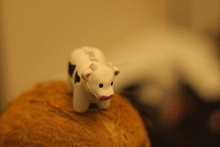
The rocky economy has led some beef ranches to downsize not just their acreage, but the cows themselves. Minicows, which are shorter and more compact than more standard breeds, produce one-half to three-quarters of the meat of regular-sized cows, but consume less than half of the feed eaten by standard-sized bovines. These cows aren’t genetically engineered—instead, they’re the offspring of a breed that was popular in the 1800s, before feed became cheap in the mid-twentieth century. Today, farmers once again want more beef for their bucks spent on feed, and so they're increasingly investing in the minicows, which originally came to the U.S. from Europe. These mini-mooers might also be more environmentally friendly than bigger bovines. Fans say they produce less methane, a gas linked to global warming. And because they eat less, they help keep grazing fields greener and healthier. Anyone else craving sliders? Related Content: Discoblog: A Medicinal ...
Farmers "Steaking" a Claim in Mini-Cows for Jumbo Profits
Minicows produce less methane, making them a sustainable choice for ranches looking to reduce their environmental impact.
More on Discover








Stay Curious
SubscribeTo The Magazine
Save up to 40% off the cover price when you subscribe to Discover magazine.
Subscribe