
skip to main content

Different Ethnicities Have Distinct Mouth Microbes

Explore how oral microbiomes and ethnicity affect the bacteria in your mouth, influencing dental health and disease risk.

Written byBreanna Draxler
| 1 min read
Follow on GoogleGoogle News Preferred Source
Placeholder image

Newsletter

Sign up for our email newsletter for the latest science news

Sign Up

Placeholder image showing Earth from space with an alert icon and the message ‘This image is no longer available.’

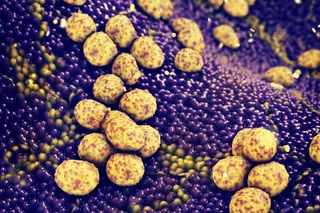
Despite obsessive brushing, flossing and mouthwashing, your mouth is (and will always be) filled with bacteria. Lots of them. These bugs play a role in determining if you'll get cavities, gum disease and maybe even oral cancer. Of course what you eat and how often you drag yourself to the dentist can impact who sets up camp in your chomper, but do your genes have a say, too? New research

says yes, and that the particular mix is specific to your ethnicity.

Rinse, Spit, Repeat

Researchers collected spit and plaque samples from 100 Americans who fell into four ethnic categories: non-Hispanic blacks, non-Hispanic whites, Chinese and Latinos. Every one of the participants had two percent of their bacteria in common---what the researchers called a core community. Beyond that, though, each individual's microbiome was unique, like a fingerprint. Even more surprising was the fact that each ethnicity showed a unique mix of bacterial species that populated the mouths of each of its 25 individuals. Science Daily quoted

the researcher saying,

"This is the first time it has been shown that ethnicity is a huge component in determining what you carry in your mouth. We know that our food and oral hygiene habits determine what bacteria can survive and thrive in our mouths, which is why your dentist stresses brushing and flossing. Can your genetic makeup play a similar role? The answer seems to be yes, it can," said Purnima Kumar.

Getting Personal

Such signatures could predispose people to particular diseases, and help dentists prescribe patient-specific care. It may not be fun---what oral hygiene ever is?---but it could be more effective than the typical "brush and floss" mantra. Image by CREATISTA / Shutterstock

Discover Magazine Logo

You have 1 more free article (1 of 2)

Have an account? log in

Subscribe today for full access and support our journalism.

checkmarkExplore All Options

Meet the Author

Related Topics

Stay Curious

JoinOur List

Sign up for our weekly science updates

View our Privacy Policy

SubscribeTo The Magazine

Save up to 40% off the cover price when you subscribe to Discover magazine.

Subscribe