

Advertisement

7 Things to Know About the Respiratory Syncytial Virus (RSV)

Discover key insights into Respiratory Syncytial Virus (RSV) — its symptoms, peak season, and how it spreads. Learn about the latest vaccines, diagnosis methods, and effective prevention and treatment strategies.

ByAllison Futterman
Google NewsGoogle News Preferred Source
Child sick with RSVCredit: DG FotoStock/Shutterstock

Newsletter

Sign up for our email newsletter for the latest science news

Sign Up

Respiratory Syncytial Virus (RSV) is a major health concern affecting millions each year. From the first sniffle to serious complications, understanding RSV is crucial, especially for vulnerable groups.

Advertisement

Babies and toddlers are extremely susceptible to RSV, with most children experiencing the virus by the time they reach the age of two. While most patients recover without any treatment, there are still up to 80,000 hospitalizations each year among kids under five. RSV can also impact older adults.

Here is what you should know about RSV, from its duration, peak season, and contagious nature to recognizing the first signs and dealing with severe symptoms. Plus, explore the recent advancements in RSV vaccination and get practical tips on prevention and treatment. Stay informed and protect yourself and your loved ones against this pervasive respiratory threat.

1. What Is RSV?

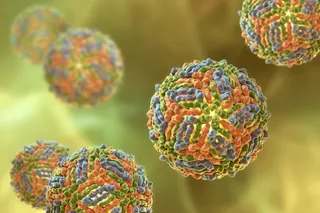
RSV is a viral infection that accounts for more than 2 million outpatient medical visits each year in the U.S.

How Long Does RSV Last?

In most cases, RSV symptoms are mild and usually resolve in a week or two.

When Is RSV Season?

Although it can occur anytime throughout the year, RSV peaks during flu season.

Is RSV Contagious?

RSV is very contagious. It spreads through sneezing, coughing, or touching surfaces that have the virus on them. Here are some other facts about RSV that you should know.


Read More: Why Are Viruses More Active In The Winter?


2. What Are the Symptoms of RSV?

The following are typical symptoms of RSV, and can be hard to distinguish from a cold:

  • Runny nose

  • Sneezing

  • Coughing

  • Low-grade fever

  • Mild headache

  • Sore throat

RSV Symptoms in Babies

In some cases, symptoms could become more serious. In babies and children, there can be a progression to more serious symptoms that require immediate medical attention. These include wheezing, bluish color around the lips or fingernails, and shallow or rapid breathing.

Advertisement

Read More: 'Zombie' Viruses, Up to 50,000 Years Old, Are Awakening


3. Can Adults Get RSV?

The immune system starts to decline when people reach their early 60s, including weaker lung function. This makes older people vulnerable to catching RSV and having potentially serious symptoms. Over 170,000 people over 60 are hospitalized each year due to the virus, and approximately 14,000 deaths occur.

Advertisement

In older people with underlying conditions such as asthma, chronic obstructive pulmonary disease, or heart disease — there is a risk of RSV exacerbating their pre-existing conditions. Dehydration is common among people who are older than 60 and may require I.V. fluid replacement. Another potential danger is RSV developing into pneumonia.


Read More: Viruses May Be Watching You


4. How To Diagnose RSV

In the majority of cases where RSV is suspected, testing is usually not needed. However, if symptoms are severe and a patient is seeking a diagnosis, there are several tests to help determine if RSV is present. These include:

  • Nasal swab — antigen or molecular

  • Chest X-ray — if breathing problems are present

  • Pulse oximetry monitoring — to check oxygen levels

Since RSV can cause symptoms like that of the flu and/or COVID-19, swab testing can differentiate between these repository viruses. In fact, there’s now a home test where people can do their own swabs to check for RSV, COVID-19, and influenza A and B.

Advertisement

Read More: The First Global Vaccination Expedition Set Sail in 1803


5. Is There a Vaccine for RSV?

Yes, earlier this year, two vaccines, Abrysvo and Arexvy were approved for adults over 60. Abrysvo is also recommended for pregnant women to help prevent RSV for the first six months of a newborn’s life. This vaccine is given between 32 and 36 weeks of pregnancy.

Like all vaccines, this is something that you should discuss with a healthcare provider, to determine if it’s right for you. There is not yet a vaccine for children. However, there is a monoclonal antibody, nirsevimab, that newborns and infants can receive as a shot. It’s believed to work as an RSV preventative.


Read More: The History of the Polio Vaccine

Advertisement

6. How to Prevent RSV

The Centers for Disease Control and Prevention recommends the following actions to help prevent RSV.

Hand washing

This is a cornerstone of preventing the spread of many infections, not just RSV. The friction created by rubbing hands with soap and water can break down the virus structure.

Advertisement

Avoid Touching Your Face

Viruses like RSV can enter the body through the eyes, nose, or mouth. Hands touch many surfaces and can pick up viruses, so keeping them away from your face reduces the risk of infection.

Avoid Close Contact

Close contact with sick individuals increases the chance of getting infected. Keeping a safe distance from those with cold-like symptoms can reduce the risk.

Cover Your Coughs and Sneezes

This prevents the spread of virus-laden droplets. If a tissue isn't available, coughing or sneezing into the elbow is recommended over using the hands.

Clean Frequently Touched Surfaces

RSV can live on hard surfaces for many hours. Regular disinfection of these areas helps prevent the virus from being picked up by others.

Stay Home When Sick

It is a key public health measure to contain infectious diseases. By staying home, you're reducing the network of potential transmission.


Read More: What If We Tolerated Diseases?

Advertisement
Advertisement

7. How to Treat RSV

Although there is no definitive treatment, there are steps that can help alleviate symptoms. This includes:

  • Resting

  • Staying hydrated — drinking enough fluids to avoid dehydration (ex: Pedialyte or Gatorade)

  • Using saline nose drops

  • Taking acetaminophen for fever

  • For children — use nasal suction to clear the airway if needed

  • For adults — avoid alcohol, tobacco, and caffeine


Read More: What Is Human Metapneumovirus? The Cold-Like Illness You've Probably Never Heard Of

  • Allison Futterman

    Allison Futterman is a Charlotte, N.C.-based writer whose science, history, and medical/health writing has appeared on a variety of platforms and in regional and national publications. These include Charlotte, People, Our State, and Philanthropy magazines, among others. She has a BA in communications and an MS in criminal justice.

Stay Curious

JoinOur List

Sign up for our weekly science updates

View our Privacy Policy

SubscribeTo The Magazine

Save up to 40% off the cover price when you subscribe to Discover magazine.

Subscribe
Advertisement

1 Free Article