
skip to main content

Rumblings at Gaua in Vanuatu

Gaua volcano in Vanuatu shows signs of an eruption with increased seismic activity prompting concerns for local residents.

Written byErik Klemetti
| 1 min read
Follow on GoogleGoogle News Preferred Source
Placeholder image

Newsletter

Sign up for our email newsletter for the latest science news

Sign Up
Placeholder image showing Earth from space with an alert icon and the message ‘This image is no longer available.’

Gaua volcano in Vanuatu.

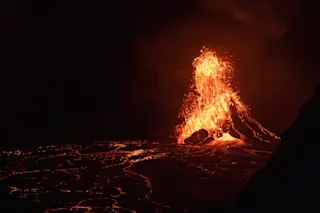
Gaua volcano in Vanuatu is showing signs that it could be headed towards an eruption. News reports from the island nation in the south Pacific Ocean mention "increased seismic activity, generating sulphurous gas and ash into the atmosphere and affecting water supplies." However, officials in Vanuatu have only raised Gaua's alert status to 1 on a scale of 5 and stories of previous evacuations suggest that people might not take the volcano that seriously if it does continue to rumble:

My father and one of my brothers was on Gaua when there was evacuation in 1973. They spent two months in Sola which is the provincial headquarter. For two months they were there, they thought a big eruption would happen it never happened. (EWK: my emphasis).

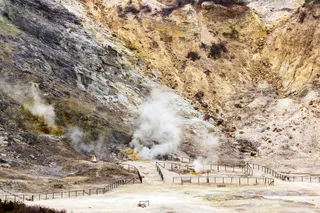
Gaua is a stratovolcano that produced numerous eruptions, most recently in 1982 (VEI 2), but there have been frequent VEI 2 eruptions over the last 50 years. Most of the eruptions from the Mt. Garat, part of a summit complex in this caldera-related system (which formed the lake on the island). The eruptions are easily mildly explosive producing tephra-and-ash deposits along with some lava flows that have made it to the sea. The summit area has experienced intense fumarolic activity since its last eruption in 1982, so these new reports could be part of this system rather than signs of an impending eruption.

Meet the Author

Related Topics

Stay Curious

JoinOur List

Sign up for our weekly science updates

View our Privacy Policy

SubscribeTo The Magazine

Save up to 40% off the cover price when you subscribe to Discover magazine.

Subscribe