
skip to main content

A lunar illusion you'll flip over

Discover the optical illusions in lunar pictures analyzed by the Lunar Reconnaissance Orbiter, revealing nature's tricks on perception.

Written byPhil Plait
| 2 min read
Follow on GoogleGoogle News Preferred Source
Placeholder image

Newsletter

Sign up for our email newsletter for the latest science news

Sign Up

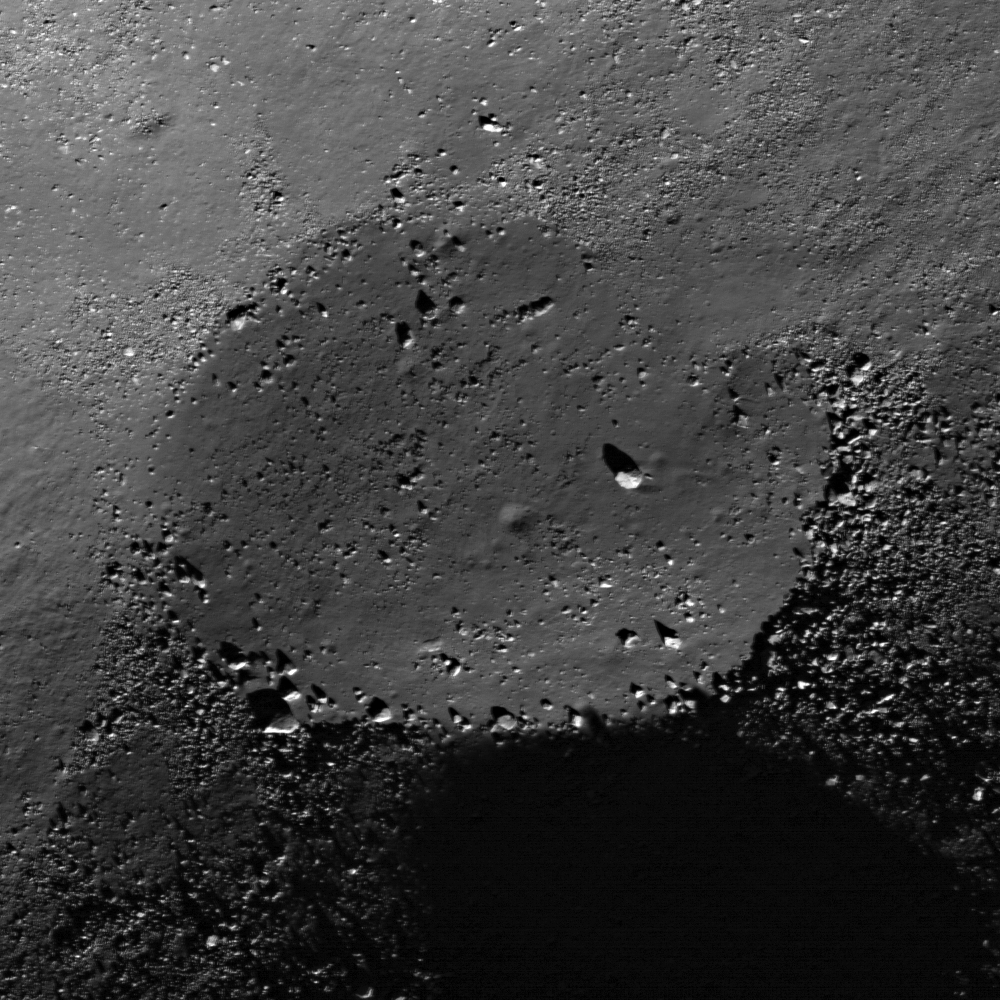
The Lunar Reconnaissance Orbiter has a great blog where they post images from the hi-res camera onboard. I was perusing a recent image, and was a bit befuddled:

Placeholder image showing Earth from space with an alert icon and the message ‘This image is no longer available.’

What the heck? Is this a plateau of some kind? Is that a small dome just below the center of it? The whole thing looks pitted around the edge, too, like some sort of erosion has taken place. But that can't be right! Happily, being an old hand with optical illusions, I knew exactly what to do. I flipped the image over, and all became clear:

Placeholder image showing Earth from space with an alert icon and the message ‘This image is no longer available.’

Ah, that's better. Now you can see what's what: it's a crater with boulders in it. The small dome is now clearly a tiny meteorite impact crater. What looked like pitting is now obviously rocks and rubble that have slid down the slope of the crater wall. This is an old illusion. Having evolved on the surface of a planet, we interpret our surroundings assuming sunlight is coming from above. If we see a picture rotated such that the sunlight is coming from below, it plays tricks on our perception. Shadows point the wrong way, making craters look like domes. Flip the picture over, and voila! All is as it should be. This image is a wonderful example of this illusion (though I've never run across a name for it. I suggest "Plait's Plateau"). You can take lots of lunar pictures and see it if you rotate them. I suggest you check out the LRO archive, because it's a terrific lesson that what you see is not always what you get (and also because the images are simply too cool). It's incredibly easy to fool our brains, and if more people realized that then it would be a lot easier for them to be skeptical of what they see, and of claims from other people about what they see!


Related posts: Terra spots an impact on, um, TerraSpelunking the lunar landscape

Meet the Author

Related Topics

Stay Curious

JoinOur List

Sign up for our weekly science updates

View our Privacy Policy

SubscribeTo The Magazine

Save up to 40% off the cover price when you subscribe to Discover magazine.

Subscribe