
Treehuggers vs. Solar Supporters: Who Cares More About the Environment?

The Solar Shade Control Act now requires tree owners to manage shade on solar panels, raising environmental and legal debates.

Google NewsGoogle News Preferred Source

Newsletter

Sign up for our email newsletter for the latest science news

Sign Up

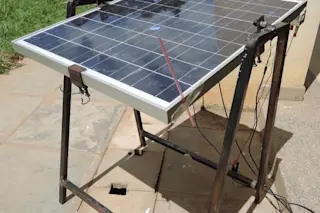
Mark Vargas of Santa Clara, California, has a plug-in electric car and $70,000 worth of solar panels. But there’s a serious threat to Vargas’s environmental efforts: his tree-hugging neighbors, Richard Treanor and his wife Carolyn Bissett. Prius-owning Treanor and Bissett have eight redwoods in their backyard—towering, majestic beasts that shade the forest floor and, apparently, Vargas’s solar panels. Nature-hating Vargus wants the renewable energy-hating couple to cut down the offending trees, and the three have been engaged in legal battles for six years.

Now, a judge has ordered the couple to cut down two of the redwoods, citing the obscure Solar Shade Control Act (pdf). The law, enacted three decades ago, requires homeowners to keep their trees or shrubs from shading more than 10% of a neighbor's solar panels between 10 am and 2 pm. Existing trees that cast shadows when the panels are installed are exempt, but the law does apply to existing trees which later grew big enough to shade the panels, which was the case for Treanor and Bissett's redwoods. Residents can be fined up to $1,000 a day for violations, but the judge did not impose any fines against the couple. To look at the cold economics of carbon offsets, the verdict seems fair—Vargus’s panels will save far more carbon dioxide than the redwoods would absorb. But redwoods are more than just carbon-suckers—they provide cooling shade, natural beauty, and habitat for animals. For me, a native Californian who spent many days wandering around the redwoods of Muir Woods, the decision feels intuitively wrong. I understand Vargus’s desire to protect his investment, and admire his dedication to clean tech, but couldn't he have installed his panels somewhere that wasn't in the path of a growing tree? Then again, maybe we’re reaching a point in our climate situation where decreasing greenhouse gases is more important than protecting nature. Unfortunately for the rest of the Earth, it’s all about number one.

Stay Curious

JoinOur List

Sign up for our weekly science updates

View our Privacy Policy

SubscribeTo The Magazine

Save up to 40% off the cover price when you subscribe to Discover magazine.

Subscribe