
Advertisement

The Familiar Plants and Animals That Invaded America’s Landscape

Palms in Southern California, tumbleweeds in the desert West, earthworms in rich American soils: These well-known species aren’t what you think they are.

Google NewsGoogle News Preferred Source
Amur honeysuckle, Lonicera maackiiCredit: Nikolay Kurzenko/Shutterstock

Newsletter

Sign up for our email newsletter for the latest science news

Sign Up

Growing up, I loved honeysuckle. My friends and I couldn’t wait to pull at the blossoms and inhale their sweet smell. That was childhood life in crowded Midwestern suburbia. But now that I’ve spent the last 20 years surrounded by farmland, I’ve seen the dark side of bush honeysuckle, watching as my childhood favorite reaches across fence lines and chokes out our local woods.

Advertisement

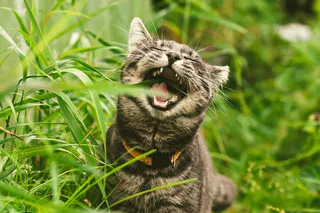
I’ve also come to realize that many of the species I encounter every day are also not-so-friendly intruders. Those fat earthworms wriggling on my garden trowel, the honeybees buzzing in the flowers and the feral cats sheltering in my neighbor’s barn are also aliens among us. (Yep, even those sunny-faced interloping daffodils have escaped the garden gate.)

You probably encounter species every day that are not native to our shores. In general, a species in the U.S. is considered non-native if wasn’t here before European settlers arrived some 400 years ago. Today, every corner of the U.S. harbors impostors to its native ecosystems, regardless of whether they arrived on purpose or accidentally. These non-natives are considered invasive once they start to harm the environment or economy. Here are some of the most surprising offenders.

Photo Gallery:

Stay Curious

JoinOur List

Sign up for our weekly science updates

View our Privacy Policy

SubscribeTo The Magazine

Save up to 40% off the cover price when you subscribe to Discover magazine.

Subscribe
Advertisement

1 Free Article