
Advertisement

Are There Pesticides in Your Soup? Dunk a Pollution Dipstick to Find Out.

Discover a new biomonitoring technique for pesticides that uses paper-based test strips to identify contaminants quickly and affordably.

Google NewsGoogle News Preferred Source

Newsletter

Sign up for our email newsletter for the latest science news

Sign Up

one day? That may still be far off, but this technology could give researchers a reliable and cheap way to get a better picture of what pollutants—even at trace amounts—

Advertisement

a new biomonitoring technique using treated paper on a stick that can quickly identify trace amounts of pesticides in your chicken soup, or your first early morning cup of joe [Technology Review]. Could these dipsticks lead to DIY pollution monitoring

Environmental monitoring is often expensive, cumbersome, and time-intensive. Equipment that can run quick and easy tests for pollutants like pesticides in our food are almost nonexistent. However, researchers in Canada are working on

are in the environment, and how they interact with our bodies.

Related Content: 80beats: Government Scientists Find Mercury in Every Fish Tested 80beats: Leaf-Peepers Bearing Magnets Could Locate Pollution Hot Spots DISCOVER: Testing Pesticides on Humans DISCOVER: How to Tell If You’re Poisoning Yourself With Fish

In the study, published in the journal Analytical Chemistry, the researchers describe

a new paper-based test strip that changes color shades depending on the amount of pesticide present. In laboratory studies using food and beverage samples intentionally contaminated with common pesticides, the test strips accurately identified minute amounts of pesticides. The test strips, which produced results in less than 5 minutes, could be particularly useful in developing countries or remote areas that may lack access to expensive testing equipment and electricity, they note [R&D Magazine]. If the dipsticks pan out, restaurant customers may one day have more to complain about than a stray hair in their soup.

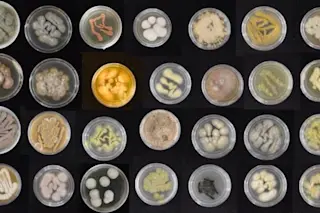
Image: ACS

Stay Curious

JoinOur List

Sign up for our weekly science updates

View our Privacy Policy

SubscribeTo The Magazine

Save up to 40% off the cover price when you subscribe to Discover magazine.

Subscribe
Advertisement

1 Free Article