

A cancer drug enters the body with a job to do. But its success may depend partly on a bustling community far from the tumor — the microbes living in the digestive tract. And those microscopic residents have their own needs, starting with what’s on the menu.
That connection could help explain a puzzle that has intrigued cancer researchers for years. Why do some people with a higher body mass index respond better to certain immunotherapies?
A study published in Nature suggests the answer may involve an unexpected partnership between food and gut bacteria.
“Our findings were surprising because they highlighted a benefit of some obesogenic diets. That tells us the relationship between diet and cancer treatment is more complex than a simple message to eat healthy and exercise,” said principal investigator Daniela Quail in a press release.
What Is the Obesity Paradox in Cancer Treatment?
Obesity is associated with increased risks of several cancers and worse outcomes overall. Yet studies of immune checkpoint inhibitors have revealed an apparent contradiction. Patients with a higher body mass index, or BMI, sometimes respond better to these drugs.
That pattern is part of what researchers call the “obesity paradox.” It describes an association, not proof that gaining weight protects someone with cancer.

 Explore All Options
Checkpoint inhibitors help release the immune system’s brakes. Normally, immune checkpoints prevent an overzealous response from damaging healthy tissue. Cancer cells can exploit those safeguards to escape attack, so blocking certain checkpoint proteins allows immune cells to fight back.
The question is why body size appears connected to how well that process works.
Read More: Close, Social Contact Can Shape a Gut Microbiome, Sometimes Making it More Alike
What Testing 12 Diets in Mice Revealed
Researchers examined 12 mouse diets, tracking differences in metabolism, immune activity, gut microbes, and responses to checkpoint inhibitors.
Some obesity-promoting diets improved immunotherapy responses, including after a shorter period of exposure. Treatment benefits were poorly correlated with metabolic dysfunction, pointing researchers toward the interaction between diet and the gut microbiome.
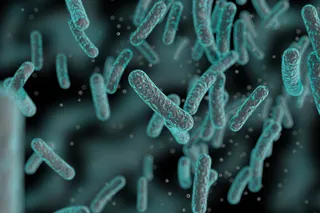
Experiments then went beyond comparing menus. In germ-free mice, pairing a bacterium called Lactobacillus johnsonii with an obesity-promoting diet helped drive tumor regression. The combination increased bacterial metabolites — compounds produced as microbes process nutrients — derived from aromatic amino acids.
The results suggest that particular bacteria and the food available to them can work together to influence treatment.
“There is a synergistic relationship between the bacteria that reside in our GI tract, and the food we eat. Even with the right composition of bacteria in your gut, the foods you eat to nourish those populations can determine whether or not you respond to treatment,” explained Quail.
How the Gut Microbiome Could Shape Cancer Immunotherapy
The team also transferred gut microbes from human donors into mice. Microbes from donors with a higher BMI enhanced treatment efficacy compared with those from donors with a normal BMI.
For researchers, future plans include identifying the helpful biological effects of this pairing and investigating whether they can be reproduced safely.
Although the results are promising for figuring out the obesity paradox, cancer patients should still discuss any nutrition changes with their cancer care team. For now, the new study offers new understanding about what gut bacteria may need to help immunotherapy work better.
The content of this article is not intended to be a substitute for professional medical advice, diagnosis, or treatment. Always seek the advice of qualified health providers with questions you may have regarding medical conditions.
Article Sources
Our writers at Discovermagazine.com use peer-reviewed studies and high-quality sources for our articles, and our editors review for scientific accuracy and editorial standards. Review the sources used below for this article:
- This article references information from a study published in Nature: Diet–microbiome synergy underlies obesity-associated immunotherapy efficacy