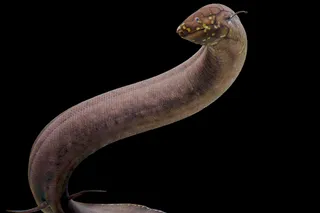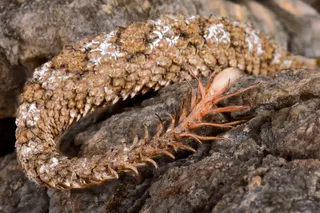


A biannual event in Illinois has many asking the question: Why did the snake cross the road? For a snake leaving its summer feeding grounds, the limestone bluffs on the other side are calling to them as a perfect winter shelter.
In southern Illinois’ Shawnee National Forest, humans have made the snake crossing a little easier, as twice a year, drivers surrender the right of way.
Known as Snake Road, this roughly 2.5-mile stretch of Forest Road 345 closes to vehicles as reptiles and amphibians move between seasonal habitats. According to the Union County Illinois Chamber of Commerce, the closures help protect thousands of animals making the trip. For visitors on foot, it’s a chance to watch a movement that happens much closer to the ground than the familiar autumn flights overhead.
Why Snakes Migrate Across Snake Road
For snakes, the potentially treacherous trip across the road is for the real estate on the other side.
LaRue Swamp provides warm-season feeding habitat, while the nearby limestone bluffs offer winter shelter. In spring, snakes leave the bluffs for the swamp. Come fall, they reverse direction, heading back toward protected spaces in the rock, according to BBC Wildlife’s account of the migration.
Those cliffs are part of a much larger ecological meeting place. The U.S. Forest Service describes the area as containing 14 natural communities, including wetlands, forests, and prairie, with more than 1,350 plant and animal species. The limestone walls rise about 150 feet above the Mississippi floodplain.

 Explore All Options
For the animals moving through this landscape, the road interrupts the connection between food and shelter. The Union County Chamber identifies ground temperature as a major trigger for the seasonal journey. Different travelers move at different times, which helps explain why protecting the migration requires more than a weekend traffic break.
Read More: The Mystery of Why Snake Embryos Curl To The Right Could Lie In Their Digestive Tract
When Does Snake Road Close?
The Forest Service lists vehicle closures from March 15 through May 15 and September 1 through October 30. Pedestrians can still experience the migration, if they wish.
That arrangement began in 1972. BBC Wildlife reports that the original closures lasted just three weeks each spring and fall. Research by herpetologist Scott Ballard subsequently showed that the migration stretched over a longer period, prompting an expansion.
During the closure, fewer vehicles mean fewer opportunities for animals to be run over. The Union County Chamber notes that fewer dead reptiles and amphibians are found along the road following the closures, although the actual number saved is unknown.
Protecting those crossings also supports the surrounding food web. As BBC Wildlife explains, snakes consume rodents and other small animals while serving as prey themselves, including for birds such as herons and egrets.
How to Watch the Snake Migration Responsibly
If you plan to travel to watch the Snake Road migration, the visitor resource Visit Snake Road warns not to expect a continuous parade of snakes. Snake sightings depend on temperature, sunlight, rainfall, wind, and luck. Some walks produce dozens of encounters, while others are quiet.
And remember: Cottonmouths, copperheads, and timber rattlesnakes are among the venomous species present, so give animals the space they deserve.
The Forest Service prohibits handling, collecting, or harassing snakes. That means a photograph should never involve picking one up or directing its movements.
Visit Snake Road recommends bringing water and downloading directions before arriving because cell service can be unreliable. Walk slowly, watch your footing, and let animals cross without interference.
The most useful thing a visitor can do here is also the simplest — leave the route clear for the creatures that need it.
Read More: Typhoon Flooding in China Sends Farmed Venomous Snakes Swimming Into Residential Areas
Article Sources
Our writers at Discovermagazine.com use peer-reviewed studies and high-quality sources for our articles, and our editors review for scientific accuracy and editorial standards. Review the sources used below for this article:
- This article references information from The Union County Chamber: Snake Road
- This article references information from the USDA: Snake Migration LaRue-Pine Hills
- This article references information from BBC Wildlife: Twice a year, this road in Illinois starts crawling with thousands of snakes. Here’s why
- This article references information from Snake Road: Frequently Asked Questions