

One of the most pressing consequences of human-caused global warming is the gradual rise in sea levels, which threatens the very existence of some countries, such as the remote Pacific nation of Kiribati, according to NASA.
To better understand the impacts of rising sea levels, scientists must understand the factors driving their rise. A new study, published in Science Advances, has conducted a detailed analysis of the causes of rising sea levels over the last 60 years. Previous studies had found some of the contributors hard to pin down, but the new research may have helped solve this long-standing climate-science mystery.
“For years, there has been a frustrating gap between how much the oceans were observed to be rising and how much we could explain from the individual causes. This work shows that, with better instruments, processes, and smarter analysis, this knowledge gap can be closed. We can explain sea level rise with greater confidence,” said John Abraham, a mechanical engineer at the University of St. Thomas and co-author of the new study, in a statement.
Read More: Coastal Cities are Sinking as Sea Levels Rise
The Greatest Contributors to Sea Level Rise
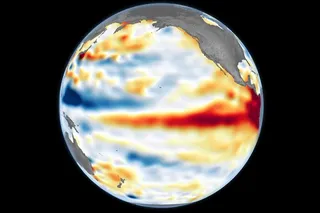
The research found that the greatest contributor to rising sea levels was rising water temperatures. As water temperatures increase, water molecules begin moving more rapidly, physically expanding the water. This factor accounted for 43 percent of sea level rise since 1960.

 Explore All Options
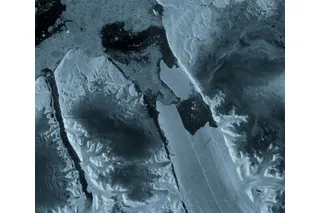
Next were the contributions from melting glaciers. Shrinking mountain glaciers contributed 27 percent of the rise, while melting ice in Greenland (15 percent) and the Antarctic (12 percent) were the next biggest contributors. Changes to other land and water storage accounted for the remaining 3 percent.
But when the researchers looked in more detail at how the contributors had changed, they saw a more nuanced picture. While increasing water temperatures and changes in land water storage were the primary contributors in the early years of the study, since 1993, ice loss has become a significant contributor to rising sea levels.
Accounting for All Sources of Sea Level Rise
The team also found that the rate of sea-level rise had increased over time. On average, sea levels have risen by 2.06 millimeters per year since 1960. But between 2005 and 2023, that rate doubled to 3.94 millimeters per year.
Importantly, the new analysis nearly closes the so-called global mean sea level budget, meaning that all sources contributing to sea levels have been accounted for. The new analysis brought the gap down to just 0.17 mm per year over the study period from 1960 to 2023. This gap is smaller than that produced by previous studies.
The researchers say their improved analysis is due to better observational technology. These factors include corrections to satellite measurements, improvements in accounting for changes in land height at coastal measurement stations, and better ice-loss estimates, all of which have contributed to improved estimates.
Understand that the sea level budget is just the first step towards reckoning with the consequences of warming oceans. Existing changes in sea and ice temperatures will likely continue to raise sea levels for many years, even if humanity can gain better control over greenhouse gas emissions.
Read More: Climate Change May Be Making Our Days A Little Longer — Here's How We Know
Article Sources
Our writers at Discovermagazine.com use peer-reviewed studies and high-quality sources for our articles, and our editors review for scientific accuracy and editorial standards. Review the sources used below for this article:
- This article references information from a study published in Science Advances: Improved closure of the global mean sea level budgetfrom observational advances since 1960
- This article references information from NASA: NASA Sea Level Team Examines an Island Nation at Risk