Fever and chills, body aches, and extreme fatigue are some of the common signs of a flu infection. Since the flu returns every year around the same time, health practitioners advise people to prepare through better hygiene practices and an annual flu shot to get through the season as unscathed as possible.
However, this flu season might be different. Traditionally, cases start to ramp up in October or November, but according to the Centers for Disease Control and Prevention (CDC), an uptick in infections has already begun in early September 2026 compared with the same week in 2025.
Why exactly this year’s flu season is behaving unusually compared with previous seasons is unclear, but experts suspect a new mutation in the flu strain might be behind it.
Flu Season Comes Early This Year
Unlike other years, the number of people testing positive for the flu and flu-related ER visits in western states like California, Washington, Hawaii, and Alaska have been continuously increasing since the beginning of September, according to Johns Hopkins Bloomberg School of Public Health epidemiologist Caitlin Rivers in NPR.
This may make the current flu season an unusually early one, as this degree of flu activity is more characteristic of November or December, explained Rivers. Another odd development is where flu infections are picking up in the country. Although flu activity is generally still very low, the flu season would typically begin in the southern states and not in the West.

 Explore All Options
It’s too early for experts to draw any conclusions about why this flu season is off to an unusual start. However, one theory is that a mutated influenza A strain could contribute to an early start, as the immune system may not detect it as well as other strains, according to NPR.
Read More: First mRNA Flu Vaccine Approved in the U.S. Now Available for Adults 50 Years and Older
The Current Flu Shots Target Novel Flu Virus Mutation
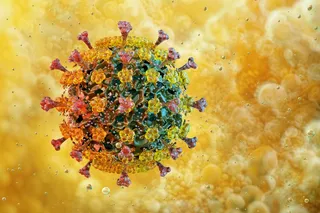
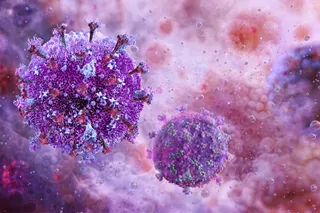
The new influenza A (H3N2) virus subclade J.2.4.1, or subclade K, was first noticed by the CDC after analyzing data from August 2025. This subclade has multiple mutations that change the influenza virus’s surface antigen, the component of the virus our immune system builds antibodies against to fight an infection, as stated by the CDC.
All three types of influenza vaccines (inactivated influenza vaccines, recombinant influenza vaccine, and live attenuated influenza vaccines) are created to trigger our immune system to produce antibodies against the flu virus before a potentially harmful infection occurs.
The exact composition of seasonal influenza vaccines may change every year based on global virus circulation patterns and the selection of strains most likely to appear in the upcoming season, as determined by the FDA. This year, the vaccines have been updated to target the novel subclade K virus, according to the CDC.
Experts Recommend Getting a Flu Shot Earlier This Year
Because the flu season appears to be starting early, health practitioners are encouraging people to consider getting their flu shots earlier this year. As explained by the CDC, most people only require one dose of the flu vaccine per season, which can be administered as early as September to prepare for the entire flu season.
As an infectious disease specialist and former director of the National Center for Immunization and Respiratory Diseases at the CDC, Demetre Daskalakis told NPR that the flu causes tens of thousands of hospitalizations and deaths every year, killing hundreds of children every season.
This article is not offering medical advice and should be used for informational purposes only.
Read More: Vaccine Schedule Changes May Contradict Decades of Research — Here's What To Know
Article Sources
Our writers at Discovermagazine.com use peer-reviewed studies and high-quality sources for our articles, and our editors review for scientific accuracy and editorial standards. Review the sources used below for this article:
- This article references information from NPR: An early flu season means it might be time to think about a flu shot
- This article references information from the CDC: Interim Clinical Considerations for the Use of Seasonal Influenza Vaccines in the United States
- This article references information from the CDC: 2025–2026 Flu Season
- This article references information from the CDC: Weekly US Influenza Surveillance Report: Key Updates for Week 38, ending September 26, 2026
- This article references information from the CDC: 2026-2027 Flu Season