

Pesticides are widely used in agriculture, parks, and gardens to control insects, fungi, and weeds. These chemicals often come with health concerns that remain poorly understood, with many linked to numerous forms of cancer, according to the organization Beyond Pesticides.
Not all pesticides are considered carcinogens, and for some chemicals, there is insufficient research to determine whether they are safe. People are exposed to pesticides via water and food, according to the World Health Organization (WHO), but according to a report from the European Food Safety Authority, exposure levels are usually considered low.
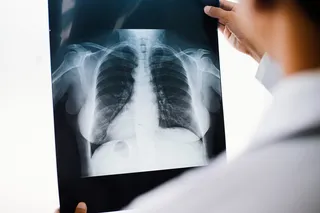
A 2026 paper from the American Association for Cancer Research raised the alarm linking consumption of “healthy foods,” such as fruit and vegetables, to early-onset lung cancer due to the presence of pesticides. But this paper is based on a small sample and uses indirect measures of pesticide exposure. That means it’s a possible connection that needs much deeper study.
Due to these health concerns, many pesticides are already subject to bans in some locations. In the European Union, pesticides like dimethomorph, benthiavalicarb, ipconazole, and oxamyl are restricted. These chemicals are amongst a group known as the “toxic 12.” Controversy has also long swirled around the chemical glyphosate — used in a common herbicide — due to its suspected cancer risks, according to the Pesticide Action Network.

 Explore All Options
A 2026 Nature Health study has shed further light on this question, highlighting serious concerns of high exposure and the development of certain cancers at a national level. It also highlights that even when a pesticide is deemed “safe,” exposure to multiple chemicals can be problematic.
“This highlights a global concern, because pesticides are used everywhere,” Stéphane Bertani, a researcher in molecular biology at the French National Research Institute for Sustainable Development and co-author on the Nature Health paper, told Discover. “This kind of study should, for us, should be run in other countries.”
Examining Pesticides and Cancer Risk
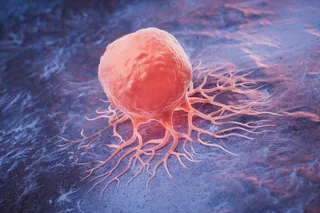
First, researchers examined how pesticides spread in the environment over six years in regions of Peru, between 2014 and 2019. That enabled the team to create a map showing areas of high exposure. They then used a database of 150,000 patients to identify areas of exposure and the associated cancer risk. They found that, on average, exposure to pesticides resulted in a 150 percent higher risk of developing cancer. As part of their study, they investigated approximately 30 agricultural chemicals.
Importantly, Jorge Honles, a Ph.D. in epidemiology at the University of Toulouse and first author of the Nature Health paper, told Discover that none of those chemicals analyzed by the team are considered carcinogens on their own.
“It’s the mixture that appears to be the problem,” he said. “Previous research has focused on testing one pesticide at a time in lab settings. The problem is that's not how people are actually exposed in the real world; people are surrounded by a mixture of dozens of pesticides simultaneously.”
Previous research from Nature Medicine also suggests that exposure to pesticides, such as picloram, may be connected to the rise in early-onset colon cancer amongst those under 50. This marked increase in recent years is poorly understood, and pesticide exposure is one hypothesis, alongside changes in diet and smoking rates.
It is known, however, that agricultural workers exposed to high levels of pesticides face a much greater risk of developing a variety of cancers, including breast and lung cancer. Another previous study, published in Frontiers and based on data in the U.S., assessed that living in areas of heavy pesticide use could increase the risk of cancer as much as smoking.
Read More: Chemicals that Come into Contact with Food — Not Just Ingredients — May Harm Our Health
A Shifting Climate Could Enhance Chemical Spread
On average, researchers assessed that people in the regions studied are exposed to around 12 different pesticides. They highlight that a changing climate can also exacerbate the problem in some instances, by increasing exposure rates or altering how chemicals are spread.
“Extreme weather also changes how farmers use chemicals,” Honles said. “Sometimes they spray more pesticides to protect crops from pests that thrive in the heat.”
The researchers also found that these pesticide mixtures can disrupt processes that help maintain liver cell function and cellular identity. That could leave the organ vulnerable to infection or inflammation. Exposure leaves what Honles describes as a “molecular” scar. These chemicals can also damage DNA or disrupt the endocrine system, according to a study from Nature Reviews Endocrinology.
“We found that genes in healthy-looking liver tissue were already being disrupted before the cancer even formed,” Honles said. “So, the damage starts silently years before diagnosis.”
This article is not offering medical advice and should be used for informational purposes only.
Read More: Common Synthetic Chemicals Like Pesticides Are Everywhere and May Harm Our Gut Microbiome
Article Sources
Our writers at Discovermagazine.com use peer-reviewed studies and high-quality sources for our articles, and our editors review for scientific accuracy and editorial standards. Review the sources used below for this article:
- This article references information from Beyond Pesticides: What Is Beyond Pesticides?
- This article references information from the WHO: Pesticide residues in food
- This article references information from a study published in the EFSA Journal: The 2024 European Union report on pesticide residues in food
- This article references information from the American Association for Cancer Research: Dietary patterns in young lung cancer: mutation-specific environmental associations
- This article references information from a study published in Nature Medicine: Epigenetic fingerprints link early-onset colon and rectal cancer to pesticide exposure
- This article references information from a study published in Frontiers:Pesticides potentially as bad as smoking for increased risk in certain cancers
- This article references information from Pesticide Action Network: New scientific publication confirms glyphosate causes cancer at EU “safe” exposure levels – evidence ignored in EU reapproval
- This article references information from Pesticide Action Network: Ban Toxic 12
- This article references information from a study published in Nature Health: Mapping pesticide mixtures to cancer risk at the country scale with spatial exposomics
- This article references information from a study published in Nature Reviews Endocrinology: Environmental causes of cancer: endocrine disruptors as carcinogens