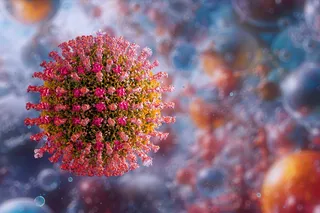
Just in time for the start of the annual flu season, a new type of flu vaccine has hit the market. The biopharmaceutical company Moderna has developed mFLUSIVA, the first mRNA flu vaccine to be approved in the U.S.
This is not the first time this novel vaccine technology has been used, as it’s part of the widely administered COVID shots that revolutionized vaccination technology. After the large-scale clinical trial showed the mRNA vaccines’ efficiency and safety in May 2026, the Food and Drug Administration (FDA) approved the vaccine for people older than 50 years of age.
With the announcement of the new vaccine, questions may arise: Is it as good as or even better than the traditional flu shot, and how safe is the new vaccine really?
Who Is Eligible for the mRNA Flu Vaccine?
Based on preliminary data, the Centers for Disease Control and Prevention (CDC) estimated that the 2025 to 2026 flu season had at least 32 million flu cases, 390,000 hospitalizations, and 24,000 deaths, according to the National Foundation for Infectious Diseases. With the new flu season just around the corner, the CDC advises getting vaccinated by the end of October 2026 to mitigate the effects of a viral infection.
The new mRNA vaccine mFLUSIVA, approved by the FDA in August 2026 and scheduled to arrive in local pharmacies over the next few weeks, will be available for people between 50 and 64 years old. The shot has also received accelerated approval for adults 65 years and older in advance of full approval, as stated in a news brief by Harvard Medical School.

 Explore All Options
People younger than 50 years and those who simply don’t want to get the new mRNA vaccine, as explained by NBC News, can still receive a traditional flu shot. Also, not to be confused with Moderna’s COVID and flu vaccine combination shot approved earlier this year in Europe, the mFLUSIVA shot does not target the COVID virus.
How Does the mRNA Shot Work in the Body?
Unlike traditional flu vaccines that use an inactivated virus grown in eggs or cells, the mRNA vaccine contains a short genetic sequence (mRNA) that codes for a harmless viral protein and prompts the body’s immune system to respond to a potential infection.
But like conventional flu vaccines, the mRNA vaccine from Moderna is a trivalent vaccine, which covers multiple influenza strains at the same time. After the mRNA shot is given, the body will be protected from infection after around two weeks, and the mRNA used to train the immune system will be broken down and discarded.
Based on the phase 3 clinical trial published in the New England Journal of Medicine, researchers also suggest the mRNA vaccine may be more effective than traditional flu vaccines, as fewer people who were given the mFLUSIVA shot caught the flu in the following months compared with the group with the standard flu shot.
Advantages and Safety of the mRNA Vaccine
Another big advantage of mRNA vaccines in general is that they can be produced more quickly than traditional vaccines. This allows scientists to wait longer and design vaccines to target the most current strains, since influenza viruses are notorious shape-shifters through constant mutation.
The large clinical trial included over 40,000 adults from 11 countries and showed a 27 percent increase in effectiveness compared with standard-dose flu vaccines. However, because people older than 65 are advised to take stronger flu vaccines, Moderna is conducting a follow-up trial to see which vaccine works better for that particular age group.
Overall, the FDA deemed the new mRNA vaccine to be safe, mentioning the possibility of common side effects, like pain at the injection site, fatigue, and headaches.
This article is not offering medical advice and should be used for informational purposes only.
Read More: Vaccine Schedule Changes May Contradict Decades of Research — Here's What To Know
Article Sources
Our writers at Discovermagazine.com use peer-reviewed studies and high-quality sources for our articles, and our editors review for scientific accuracy and editorial standards. Review the sources used below for this article:
- This article references information from the National Foundation for Infectious Diseases: Flu (Influenza)
- This article references information from Harvard Medical School: FDA approves first mRNA-based flu vaccine
- This article references information from NBC News: The first mRNA flu shot is now available. Here’s who can get it.
- This article references information from a study published in the New England Journal of Medicine: Efficacy and Safety of an mRNA Seasonal Influenza Vaccine in Adults