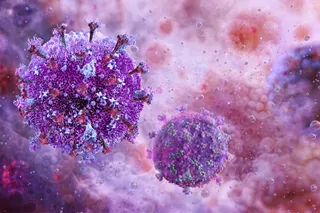
Lassa virus may not be as well-known as Ebola, but it causes a similarly dangerous hemorrhagic fever that can trigger symptoms such as fever, muscle pain, vomiting, and, in severe cases, internal bleeding. The illness can resemble other infectious diseases, including yellow fever, typhoid, and malaria, making it difficult to diagnose. Lassa virus is primarily spread through infected rodents but can also be transmitted between humans. Despite being recognized as a major health threat in West Africa, there is no licensed vaccine available, and prevention efforts are largely focused on rodent control.
Now, scientists from the University of Maryland School of Medicine (UMSOM) have announced promising results from an early human trial of a new Lassa virus vaccine, described in a paper published in Nature Medicine. The experimental vaccine is designed to protect against both Lassa fever and rabies.
“This vaccine is designed to protect against two viruses of global health importance,” said lead study author Justin Ortiz, professor of medicine at UMSOM, in a press statement. “By combining targets into a single product, it could reduce the need for separate vaccination efforts and streamline delivery in settings where access is limited.”
How Dangerous Is Lassa Virus?
Although it receives far less attention than Ebola, Lassa fever remains a significant health concern in West Africa. The World Health Organization has labeled it as a priority disease for research because of its outbreak potential.

 Explore All Options
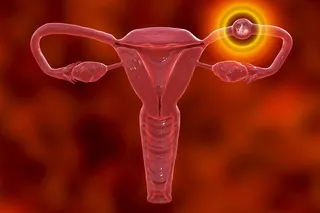
According to the Africa Centers for Disease Control and Prevention, the virus infects an estimated 300,000 people annually and causes roughly 5,000 deaths, though the true toll is likely higher due to underreporting. Officials particularly warn of infections during pregnancy, as more than 80 percent of infections during the last stages of pregnancy can be fatal for either the mother or fetus.
Lassa fever also overlaps geographically with rabies, another deadly disease that remains a major public health challenge in many African countries.
“Climate change is causing Lassa fever to extend its reach far beyond its Nigerian and West African origins, putting an estimated 700 million people at risk worldwide,” said UMSOM Dean Mark Gladwin in the release. “By 2070, the number of countries across Africa that will develop ecological conditions suitable for Lassa virus spread could drastically increase, so a vaccine to prevent this deadly infection is desperately needed.”
Read More: A New mRNA Vaccine Has the Potential to Cure Seasonal and Food Allergies
New Lassa and Rabies Vaccine Safe and Effective
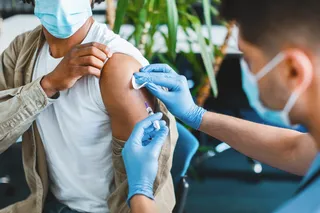
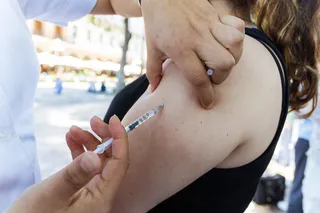
The first human trial of the vaccine, known as LASSARAB, enrolled 54 healthy adults who received either varying doses of the experimental vaccine or a licensed rabies vaccine as a control.
Volunteers received two doses 28 days apart, after which researchers monitored their immune responses for 61 days. Within this time period, no serious adverse events were reported. Besides, participants who received LASSARAB developed strong antibody responses against both Lassa virus and rabies, while the control vaccine generated immunity only against rabies.
Going forward, researchers continue to track safety and immune responses for more than a year after vaccination. Positive long-term results could lead to larger clinical trials to further investigate the vaccine's effects.
Freeze-Dried Vaccine for Better Distribution
Beyond targeting two dangerous diseases at once, the vaccine was designed with real-world distribution challenges in mind.
“This study highlights CVD’s commitment to tackling diseases of global significance,” said Stefan Kappe, director of the Center for Vaccine Development and Global Health (CVD), in the statement. “LASSARAB not only targets diseases of concern but utilizes a platform that could make distribution attainable in the areas of the world that are most affected by these diseases.”
Developed by a team at Thomas Jefferson University led by Matthias Schnell, professor of microbiology and immunology, the vaccine can also be freeze-dried for storage, making it easier to transport to regions where refrigeration is limited.
This article is not offering medical advice and should be used for informational purposes only.
Read More: Did Viruses Help Build Complex Life? A New Discovery Rekindles the Question
Article Sources
Our writers at Discovermagazine.com use peer-reviewed studies and high-quality sources for our articles, and our editors review for scientific accuracy and editorial standards. Review the sources used below for this article:
- This article references information from a study published in Nature Medicine: Adjuvanted inactivated rabies virus-vectored Lassa virus vaccine in healthy adults: a phase 1 trial