


Exploring popular national parks in North America, such as Banff or Jasper, gives visitors a rare chance to observe animals like bears in their natural habitat. A respectful park visitor knows to stay bear-aware and keep a safe distance, as bears can be dangerous to encounter.
However, bears are not the top culprit in aggressive human-wildlife interactions in some national parks. A new study published in Frontiers in Conservation Science analyzed data from Canadian national parks that suggests elk top the list of aggressive human-wildlife encounters over bears, coyotes, and mule deer.
“Each species occupies a different ecological role, so they perceive human threat differently. Elk sometimes avoid humans, but at other times use human presence as refuge from predators. This unpredictability may explain why they top the list for aggressive encounters," Shashank Balakrishna, a biologist at the University of York and senior author of the study, said in a press release.
What Makes Elk Dangerous?
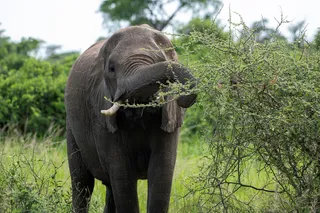
Though elk are herbivores, they are not always as timid as their cousins, the white-tailed deer. According to the National Park Service (NPS), elk can be aggressive and may try to kick humans or chase them off if they feel scared or threatened. Even more threatening is how large elk can get.

 Explore All Options
White-tail bucks can weigh 200 to 300 pounds (90 to 136 kg) and stand about 3 feet tall at the shoulder. A doe can weigh anywhere between 90 and 200 pounds. A bull elk, on the other hand, can weigh up to 700 pounds (320 kg) while a cow elk can reach 600 pounds (272 kg). Elk can also stand about 4.5 to 5 feet tall at the shoulder and can range from 7 to 10 feet long from the tip of their nose to the tip of their tail, according to the NPS.
Elk can become especially aggressive during calving and mating season, as cows protect their calves and bulls protect their herds. Because of this and their sheer size, the NPS and Parks Canada recommend staying about 100 feet, or two bus lengths, away from elk.
Unfortunately, even if you do your best to stay a safe distance from elk, encounters can still happen. Data from the new study are helping experts better understand when and why these encounters still occur.
Why Aggressive Animal Encounters Happen in Parks
The study looked at data gathered between 2010 and 2023 from Parks Canada. In all, the research team analyzed almost 3,000 reported human-wildlife conflicts within the parks. The results were a little surprising. Grizzly bears made up 14 percent of aggressive wildlife encounters, while black bears came in at 13 percent, followed by mule deer at 7 percent, and coyotes at 3 percent.
Elk topped the list at 62 percent of all aggressive animal encounters. About 25 percent of these wildlife encounters occurred during low-impact activities such as hiking, while 22 percent occurred in towns.
The team further explored the data and broke the incidents down into animal-specific scenarios in which conflict risks spiked. The results showed that elk were associated with 73 percent of conflicts in towns and 57 percent of conflicts that involved adventure sports — such as kayaking or climbing. Lots of elk live in towns like Banff, and sometimes visitors get too close to them, likely resulting in aggression from the elk.
The rest of the findings showed that mule deer and coyotes showed higher rates of aggression toward park visitors walking dogs, and grizzly and black bears made up 45 percent and 43 percent of encounters, respectively. These conflicts occurred in quieter areas, often associated with hiking. Quiet recreational activities may increase the likelihood of surprising a bear at close range.
How This Data Can Help People Stay Safe in Parks
Understanding where and why human-wildlife conflicts can arise can help both visitors and wildlife stay safe in parks.
"Now we can point to precise high‑risk pairings, such as elk visiting townsite areas or mule deer encountered during dog walking," Balakrishna said. "This allows park managers to focus resources, signage, and education where they are most needed."
The study authors do not want to dissuade people from visiting these natural places; however, being aware of your surroundings can ensure a safer trip for all. Checking with park staff on the latest park news can help you know which areas to avoid. Reading the park literature and keeping a safe distance from wildlife is also key to a safe park visit.
"Announcing yourself is a good idea, especially for grizzly bears. Taking whistles, talking, or hiking in larger groups can help, too. Keeping dog leads short when large herds are present is simple but effective,” study co-author Holly Landles added in the press release.
“Ultimately, both people and wildlife lose during aggressive encounters. Our findings help us understand real patterns behind these encounters so we can reduce their frequency and help people and wildlife coexist more safely," Landles concluded.
Article Sources
Our writers at Discovermagazine.com use peer-reviewed studies and high-quality sources for our articles, and our editors review for scientific accuracy and editorial standards. Review the sources used below for this article:
- This article references information from a study published in Frontiers in Conservation Science: Aggressive encounters with large mammals vary by recreational activity type in Canadian national parks
- This article references information from the NPS: Elk Danger
- This article references information from the NPS: White-tailed deer (Odocoileus virginianus)
- This article references information from the NPS: Elk
- This article references information from Parks Canada: Elk safety