COVID-19 Variants This Fall, Gray Wolves Use Wildfires to Hunt, and a Blood Test Could Detect Breast Cancer
Discover the top stories from Oct. 10 to Oct. 16, 2026, including what COVID-19 variants scientists are currently tracking and how gray wolves are using active wildfires to hunt.
Stephanie Edwards is the Engagement Specialist at Discover Magazine, who manages all social media platforms and writes digital articles that focus on archaeology, the environment, and public health.
Did you catch the top stories this week? Check out our roundup below, covering the biggest science news and stories that matter.
This week's stories, from Oct. 10 to Oct. 16, 2026, include an uptick in COVID-19 variants, how the Nordic diet could extend your lifespan, gray wolves may be using wildfire to pursue prey, a new look at the body development of Homo sapiens, the start of clinical trials for a breast cancer blood test, and how drones helped find three new Aboriginal rock shelters in Australia.
1. COVID-19 Cases Are Picking Up Again — These Are the Variants That Health Officials Are Watching
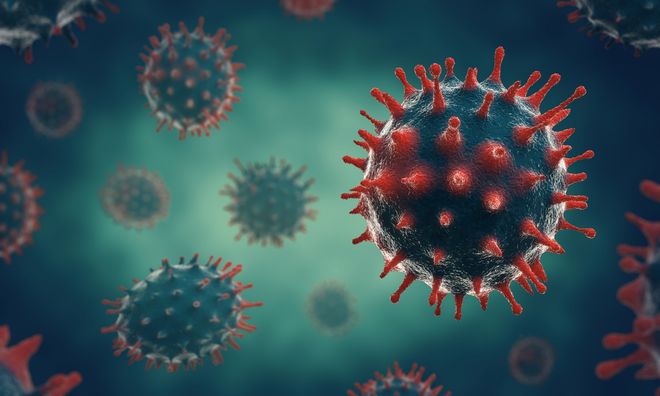
As we near infectious disease season, increased rates of common respiratory illnesses are already taking hold. Viruses that cause COVID-19, the flu, and respiratory syncytial virus (RSV) change their genetic makeup between seasons, confronting health authorities with new changes at the start of each winter season.
2. Nordic Diet May Help Extend Your Lifespan by Adding Whole Grains and Berries to Your Plate
The Mediterranean diet has grown immensely popular for its emphasis on plant-based foods and olive oil, but another regional diet with roots in Europe may bring its own benefits to the table. The Nordic diet, based on foods commonly eaten across the Nordic countries, provides its own spin on healthy eating by promoting whole grains, berries, and rapeseed oil.
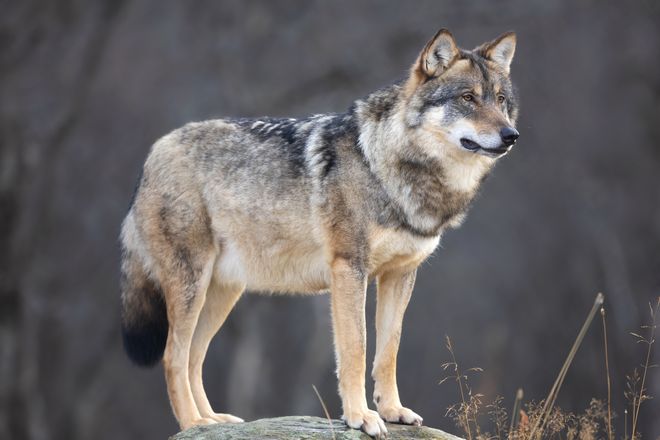
3. Gray Wolves May Use Active Wildfires to Pursue Prey While Avoiding Dangerous Fire Fronts
(Image Credit: Kjetil Kolbjornsrud/Shutterstock)
Wildfires are becoming more and more common. They burn through wild areas, forcing many of the animals that live there to flee. There is one animal, however, that may have found a way to use these fires to their advantage: The gray wolf.
4. A 230,000-Year-Old Homo sapiens Fossil Reveals Early Humans Were More Robust Than Once Thought
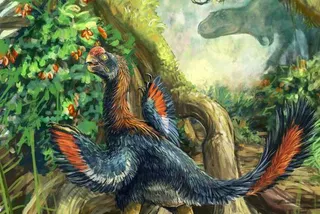
When Omo I lived,more than 230,000 years ago, her skull already displayed features characteristic of Homo sapiens, including a high, rounded cranial vault and a chin. But her body may still have been very different from the one we associate with our species.
5. A Blood Test That Could Detect Breast Cancer as Early as Stage I Has Started Clinical Trials
Researchers at USC Norris Comprehensive Cancer Center, part of Keck Medicine of USC, are investigating whether a blood test could help clarify breast cancer findings sooner. A new clinical trial will evaluate whether the blood test can work alongside mammograms to detect breast cancer as early as Stage I.
6. Drones Help Find Three Aboriginal Rock Shelters With Red Hand Stencils
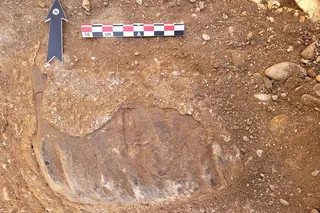
After drones flagged possible rock shelters in Australia’s Blue Mountains, archaeologist Amy Mosig Way led students and volunteers into the bush to check the locations on foot. Inside, stone artifacts and red hand stencils preserved evidence of past Aboriginal life, connecting the places they were recording with the people who had used them generations before.
Stephanie Edwards is the Engagement Specialist at Discover Magazine, who manages all social media platforms and writes digital articles that focus on archaeology, the environment, and public health.View Full Profile







 Explore All Options