

Most women will go through menopause as they age — the hormonal transition in which a woman stops having a period and can usually no longer become pregnant, according to the NIH. During menopause, the body also slows estrogen production, which helps keep bones strong.
Women are therefore more likely to develop osteoporosis — a condition where bones begin to weaken and become brittle — after menopause. A woman can lose up to 20 percent of her bone density within the first five years of starting menopause, according to the Cleveland Clinic. Bones then become easier to break or fracture from something major, such as a fall, to something minor, such as bending over or even coughing.
The Bone Health and Osteoporosis Foundation (BHOF) reports that one in two women over the age of 50 will experience a broken bone due to osteoporosis, and a woman breaking a hip is equivalent to the combined risk of uterine, ovarian, and breast cancer. Though there is no way to stop aging, women can take several steps to maintain bone strength and help prevent diseases, such as osteoporosis.
Read More: Calcium and Vitamin D Supplements May Not Prevent Fractures or Falls in Older Adults

 Explore All Options
How to Know If You’re Losing Bone Mass or Have Osteoporosis
Bone loss often occurs without obvious symptoms and may not be detected until a fracture occurs. As menopause approaches, discussing osteoporosis with a physician can help determine if a bone density test is needed, which is a great way to understand your body's bone mass or chances of developing osteoporosis.
Patients can get a baseline bone density test, or DXA scan, to better understand their bone health. According to the Cleveland Clinic, the test is similar to an X-ray and is simple and painless.
Most physicians recommend that patients complete a bone test around the age of 65; however, younger women, even those who have not yet gone through menopause, can also get a test to have a better idea of their bone health. The test is also recommended if there is a family history of osteoporosis or other diseases, such as rheumatoid arthritis or diabetes.
Best Ways to Stay Strong and Prevent Osteoporosis
Preventing osteoporosis can also start in your 20s and 30s by leading a healthy lifestyle. Eating well and exercising regularly help keep bones strong as we age, according to the Mayo Clinic. Focus on foods rich in vitamin D and calcium, such as dairy, leafy greens, and fish.
Harvard Health notes that exercise, including strength training, is particularly helpful for maintaining muscle and bone density in women.
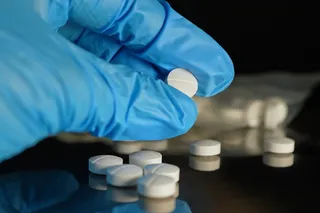
Certain supplements, such as calcium and vitamin D, along with a healthy diet, can support bone health, but advice from a medical professional is highly recommended before choosing supplements. Hormone therapy is an option, especially during menopause, but it is not for everyone, according to the Cleveland Clinic.
Smoking tobacco and drinking alcohol can contribute to bone loss, and cutting back on these can help lower the chance of breaking bones and developing osteoporosis.
A patient doesn’t need to wait until menopause to start taking action. Leading a healthy lifestyle at a young age, such as in your 20s or 30s, is a great way to build up bone strength and maintain it through menopause and beyond.
This article is not offering medical advice and should be used for informational purposes only.
Read More: Vital for Bone Health, Vitamin D May Also Slow Aging at the Cellular Level
Article Sources
Our writers at Discovermagazine.com use peer-reviewed studies and high-quality sources for our articles, and our editors review for scientific accuracy and editorial standards. Review the sources used below for this article:
- This article references information from the Cleveland Clinic: What To Know About Menopause and Bone Loss
- This article references information from the Mayo Clinic: Osteoporosis
- This article references information from the Bone Health and Osteoporosis Foundation (BHOF): What Women Need to Know
- This article references information from Harvard Health: Strength training builds more than muscles
- This article references information from the NIH: What Is Menopause?