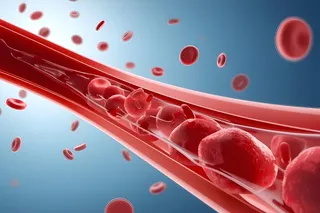
Between 2006 and 2018, astronauts on the International Space Station (ISS) had their blood drawn in orbit. The samples were frozen and stored aboard the station for months, then flown home for NASA studies on bone loss, vision, and immune health.
Researchers at the University of Copenhagen and NASA have now reanalyzed those samples to gain insight into what spaceflight does to the gut. They found a rise in compounds that gut bacteria make when they ferment protein, which usually happens when food takes longer than normal to pass through. The rise was already visible in samples from the astronauts’ first weeks aboard the station and had mostly subsided within days of their return, the team reports in Nature Communications.
"The lack of gravity in space probably causes food to move more slowly through the intestine, and this fits with the fact that we are seeing signs of increased protein fermentation. This may also help explain constipation in astronauts," said study co-author Henrik Roager in a press release.
Why Gut Bacteria Turn to Protein and Cause Constipation in Space
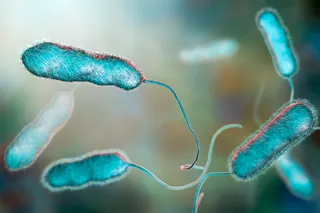
Microbes in the large intestine get most of their energy from fiber and other carbs the body can’t digest. The longer food takes to pass through, the more of that supply they use up. When it runs low, many switch to amino acids, the building blocks of protein. The byproducts are absorbed, chemically tagged by the liver, and carried in the blood, where they can be measured.

 Explore All Options
The team analyzed 488 samples from 52 astronauts who spent two to nine months on the station. About 40 compounds in their blood changed during spaceflight, including the fermentation byproducts. Another that rose has been tied in earlier research to slow passage through the gut. The team didn’t measure how fast food moved through the astronauts’ guts, so the slowdown is an inference from the blood chemistry.
Read More: Tiny Dissolving Batteries Could Power Medical Devices After You Swallow Them
Diet Accounts for Only Some of the Changes
Life in orbit changes what astronauts eat and drink, and their blood reflected that. Caffeine levels fell, possibly because the crew drank less coffee or because the station serves instant coffee. A marker of fish consumption dropped too, but only in women. Still, food-related compounds made up less than a third of what changed, and the researchers don’t think the caffeine drop explains the gut findings.
The gut-related changes stayed the same rather than growing over the course of the mission. They also appeared across the group, with no big differences between the men and women. That was notable because the samples spanned three studies, 52 crew members, and 12 years of missions, a mix that would normally blur a pattern like this.
"It is quite impressive that our method has been able to show so clearly that there is consistently more protein fermentation," said joint first author Jan Stanstrup in the press release.
Why Protein Fermentation Could Matter on Long Missions
Some byproducts of protein fermentation have been tied to health problems in the past. Several have altered brain activity and anxiety-like behavior in mice. Two are linked to a higher risk of disease in people whose kidneys already work poorly.
The authors say stocking the station with more fiber, especially kinds that bacteria break down slowly, could give the microbes an alternative to protein. As missions get longer, and a crew bound for Mars would spend far more time away from Earth's gravity than anyone in this study, this could be especially helpful. Lars Ove Dragsted, the study's senior author, said the findings could also be relevant to bedridden patients, who often become constipated too.
The blood in this study was never meant to say much about digestion. It was collected to follow astronauts' bones, eyes, and immune systems, and some of it waited in freezers for more than a decade. All that time, it had kept a record of their gut bacteria as well.
Read More: Humans May One Day Fly Through Titan's Skies and Harvest Oxygen From Its Ice
Article Sources
Our writers at Discovermagazine.com use peer-reviewed studies and high-quality sources for our articles, and our editors review for scientific accuracy and editorial standards. Review the sources used below for this article:
- This article references information from a study published in Nature Communications: Longitudinal metabolomics profiles reveal increased gut microbial protein fermentation during Spaceflight