Paleontologists gave Miracinonyx trumani a nickname that shaped the life they pictured for it. Long limbs and a narrow frame recalled an African cheetah, and the name “American cheetah” fixed it in the role of a sprinter chasing pronghorn across Ice Age grasslands.
Ancient DNA now identifies it as a close relative of the puma, while fossils from Arctic Yukon point to an even less cheetah-like life. The northern cats appear to have eaten mostly fish.
The researchers built the fullest genetic record of M. trumani so far and studied chemical traces preserved in four fossils. The findings, published in Current Biology, push the cat’s northern boundary more than 20 degrees of latitude farther north, into the Arctic.
“It’s very hard to imagine a prehistoric species we’ve never seen without comparing it to something we know,” said Molly Cassatt-Johnstone, the paper’s first author, in a press release. “But this approach can limit our understanding of ancient animals’ complexity, unique evolutionary histories, and behaviors.”
Why the American Cheetah Was More Like a Puma

Miracinonyx
(Image Credit: Julius Csotony/ CC BY-SA)
An adult M. trumani stretched roughly 8 feet from nose to tail, stood about 3 feet tall, and weighed an estimated 150 pounds. Its enlarged nasal cavities may have helped it move more air while running, another reason paleontologists pictured it as a high-speed hunter.

 Explore All Options
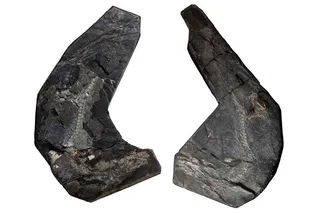
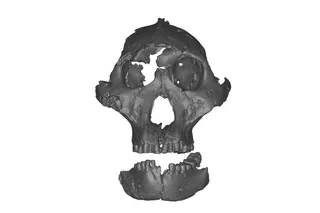
Researchers analyzed DNA from a Wyoming fossil and three roughly 31,000-year-old fossils from the Yukon. The Yukon remains had been mistaken for another kind of cat, but their DNA identified them as M. trumani and extended its known range into the Arctic.
Before that identification, paleontologists knew M. trumani from sites farther south, including Wyoming. At some of those sites, its fossils appeared alongside pronghorn remains, helping inspire the theory that the pronghorn’s exceptional speed evolved partly under pressure from this predator.
A comparison with nine living cat species placed M. trumani closest to modern pumas. The two lineages separated around 2.6 million years ago, while M. trumani and modern cheetahs last shared an ancestor approximately 4.7 million years ago. Their similar bodies evolved independently as each lineage adapted to open environments.
Read More: Ancient DNA Reveals Europe’s First Dogs Came From Eastern Wolves — Not Local Ones
Arctic American Cheetahs Likely Ate Fish

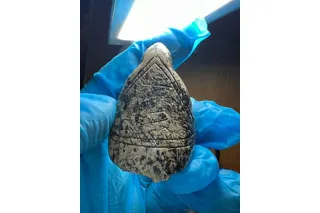
Miracinonyx fossil samples from Natural Trap Cave, Wyoming.
(Image Credit: Julie Meachen)
Pronghorn do not live as far north as the Yukon, so the researchers used carbon and nitrogen preserved in the fossils to work out what the cats had eaten. These chemical markers reflect different food sources and a predator’s place in the food chain.
Fish accounted for nearly everything the Yukon cats ate. The finding appeared in all three specimens, even though the animals lived several centuries apart and their fossils came from different sites. Researchers found similar chemical patterns in fish-eating orcas and coastal wolves in British Columbia. Salmon and other fish spend part of their lives at sea before swimming into rivers, so a cat eating them inland could still preserve an ocean-related chemical pattern in its bones.
The Wyoming cat's fossil chemistry, on the other hand, resembled that of lions and other land predators that eat herbivores.
Genes Point to Life Under Arctic Light
Two genes that help set the body’s internal clock no longer worked in M. trumani. The change may have helped the cats survive the Arctic’s long periods of daylight and darkness, although it could also have meant they were active at night.
M. trumani disappeared as the last ice age ended and the climate warmed. What remained was a misleading nickname for a cat that had lived from the subtropics to the Arctic and survived on very different prey along the way.
“There are probably other extinct species that, unfortunately, have been reduced to fewer dimensions than they deserve,” Cassatt-Johnstone said. “The M. trumani fossils suggest that this ‘American cheetah’ was far more adaptable than its nickname implies.”
Article Sources
Our writers at Discovermagazine.com use peer-reviewed studies and high-quality sources for our articles, and our editors review for scientific accuracy and editorial standards. Review the sources used below for this article:
- This article references information from a study published in Current Biology: Range and diet diversity in the Pleistocene American “cheetah”, Miracinonyx trumani