As another infectious disease season begins, many of us are scheduling appointments to receive our annual flu shots. Getting vaccinated to keep our immune system prepared for viral infections not only prevents or greatly reduces the chances of contracting an infection, but it also helps reduce the severity of illness if sickness does strike.
On top of that, getting a shot provides an additional layer of protection for more vulnerable people around us, including adults older than 65 and young children.
There are some ways to prepare for these shots and to reduce side effects after receiving the injection. Keeping an eye on hydration, monitoring food before and after getting a vaccine, avoiding alcohol, and choosing beneficial exercise are all small adjustments that can support our bodies while they build immunity.
1. Hydration and Good Nutrition Can Support the Immune System and Reduce Side Effects
Making sure to stay well hydrated before and after a vaccine appointment can have a lot of benefits. Adequate hydration makes us feel better in general and sets us up for success in almost anything. It may also reduce the chances of getting a headache, which is a common side effect of vaccination, according to Healthline.
Besides staying hydrated, what you eat before and after receiving your seasonal shots may also affect how your body reacts to immunization. Generally, avoiding an empty stomach before your appointment can help prevent dizziness, headaches, and fatigue.

 Explore All Options
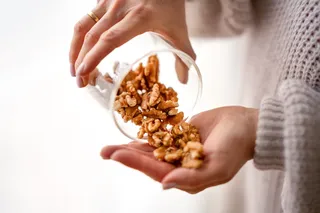
Health experts recommend meals that are high in fiber and protein, including fresh fruit, nut butters, vegetables, hummus, or Greek yogurt. Generally, keep a healthy diet and focus on whole, unprocessed foods with a high content of antioxidants and healthy fats, such as berries, leafy greens, and nuts.
Read More: First mRNA Flu Vaccine Approved in the U.S. Now Available for Adults 50 Years and Older
2. Avoid Drinking Alcohol and Watch Your Body During Light-to-Moderate Exercise
Because some people struggle with nausea after receiving a flu shot, turning to certain foods to soothe discomfort can help, including ginger, dry, plain foods like crackers, or lemon- or peppermint-scented products. Consuming alcohol, on the other hand, should be avoided. Heavy alcohol intake can impact side effects, even a few days after receiving the shot.
Recommendations about exercise, especially after getting a vaccine, are more nuanced. While frequently moving the arm that received the shot may be good for blood flow, soreness and swelling at the injection site are normal and should subside after a few days. Proper exercise, if part of your practice, may also boost your immune response to the vaccine, as noted by GoodRx.
A small study conducted by Iowa State University and published in Brain, Behavior, and Immunity showed that participants who walked, jogged, or biked for 90 minutes after receiving an influenza or COVID-19 vaccine had consistently higher concentrations of antibodies in their blood without increasing side effects. However, experts note that sometimes rest is more beneficial after vaccination and encourage people to check in with themselves and avoid pushing their bodies excessively.
3. Checking In With the Body Is the Most Important Strategy
Overall, listening to your body before your next booster shot is the most important strategy. As with most health interventions, arriving well rested, hydrated, and fed sets your body up for success.
If you have questions about persistent or worsening side effects after receiving a vaccine, make sure to check in with your doctor. That also applies to concerns around medication and potential interactions, or whether taking a pain reliever like ibuprofen or acetaminophen could be a safe choice to help with discomfort after vaccination.
This article is not offering medical advice and should be used for informational purposes only.
Read More: Vaccine Schedule Changes May Contradict Decades of Research — Here's What To Know
Article Sources
Our writers at Discovermagazine.com use peer-reviewed studies and high-quality sources for our articles, and our editors review for scientific accuracy and editorial standards. Review the sources used below for this article:
- This article references information from Healthline: How to Nourish Your Body After Getting Your COVID-19 Vaccine
- This article references information from GoodRx: 3 Things to Avoid After Your Flu Shot, and What to Do Instead
- This article references information from a study published in Brain, Behavior, and Immunity: Exercise after influenza or COVID-19 vaccination increases serum antibody without an increase in side effects